
High-voltage Component Repairs
Specialist diagnostics and repair-first solutions for the high-voltage components that control charging, 12V supply, and motor drive.
If your EV or hybrid has charging faults, “charging system fault” warnings, repeated drivetrain alerts, or won’t enter “Ready”, we can identify the root cause and advise the most cost-effective repair route.
High-voltage component faults can look like “battery failure”, but often aren’t
A large number of EV and hybrid issues that present as battery or drivetrain problems are actually caused by the vehicle’s power electronics. These modules manage power conversion and control across the high-voltage and low-voltage systems, including:
- Converting HV battery DC power to drive the motor (inverter)
- Converting AC charge power into DC to charge the HV battery (on-board charger)
- Converting HV to 12V to support the vehicle’s low-voltage systems (DC-DC converter)
We use structured diagnostics to confirm what has failed and why, and we prioritise repair over replacement wherever appropriate.

Selection of Covered Vehicles - HV Component Repairs
View a selection of vehicles that have an HV Component repair solution
Audi
- Audi (all plug-ins) 2014-present
- Audi E-Tron 2014-present
Abarth
- Abarth 500e (2023–present)
BMW
- BMW i3 (2013–present)
Citroen
- Citroen Berlingo (2021–present)
- Citroen C4 / C4 X (2020–present)
- Citroen Jumper III (2021–2023)
- Citroen Jumpy III (2020–present)
- Citroen Spacetourer (2020–present)
DS
- DS 3 Crossback (2019–present)
Fiat
- Fiat 500e (2023–present)
- Fiat Doblo (2022–present)
- Fiat Ducato (2020–2023)
- Fiat Scudo (2022–present)
- Fiat Ulysse (2022–present)
Hyundai
- Hyundai Ioniq (2016–2022)
- Hyundai Kona (2018–2023)
Jeep
- Jeep Avenger (2022–present)
Kia
- Kia Niro I (2018–2022)
- Kia Soul II (2014–2018)
- Kia Soul III / e-Soul (2019–present)
Mercedes
- Mercedes B-Class (2014–2017)
Nissan
- Nissan Leaf (2010–present)
- Nissan NV200 / Evalia (2014–present)
- Nissan Townstar (2022–present)
Peugeot
- Peugeot 208 II (2019–present)
- Peugeot 308 III / 308 SW III (2023–present)
- Peugeot 2008 II (2019–present)
- Peugeot Boxer (2021–present)
- Peugeot Expert (2020–present)
- Peugeot Partner (2021–present)
- Peugeot Rifter (2021–present)
- Peugeot Traveller (2020–present)
Renault
- Renault Zoe (2012–present)
Tesla
- Tesla Model S (2012–present)
- Tesla Model X (2015–present)
- Tesla Model Y (2019–present)
- Tesla Model 3 (2017–present)
Toyota
- Toyota RAV 4 III Electric (2012–2014)
Vauxhall
- Vauxhall Astra Mk VIII (2023–present)
- Vauxhall Combo Mk IV (2021–2024)
- Vauxhall Corsa Mk V (2019–present)
- Vauxhall Mokka (2020–present)
- Vauxhall Vivaro C (2023–2024)
Volkswagen
- Volkswagen Crafter (2018–present)
- Volkswagen Golf VII (2014–2021)
- Volkswagen GTE 2014-2020
- Volkswagen Load Up! (2014–2019)
- Volkswagen Up! (2013–present)
Volvo
- Volvo V60 / V60 Cross Country Hybrid (2012–2018)
- Volvo XC90 II Hybrid (2015–2018)
Can't find your vehicle?
The vehicles listed are a selection of HV Component Repairs. Please contact us if your vehicle is not listed.
Call us
Email Us
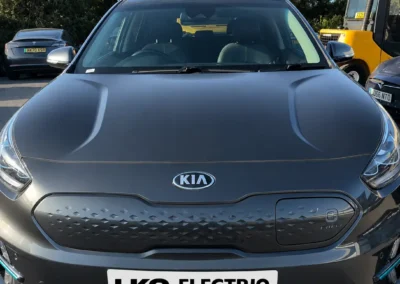
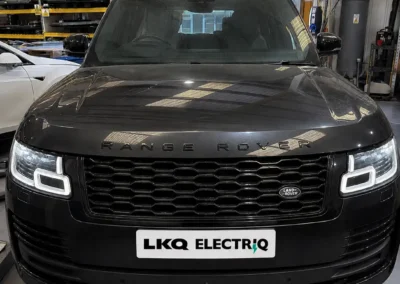
Case Studies
Browse through our case studies of work we have completed.


Common Symptoms
Vehicle won’t charge / “Unable to charge”
Charge sessions fail, the car refuses to accept charge, or the charge port shows no activity. This is commonly linked to on-board charger or charging control faults.
“Charging system fault detected” / 12V not charging correctly
If the 12V system is not being supported properly, you may see charging system warnings and a range of knock-on faults. A common cause is DC-DC converter failure or protection states.
Drivetrain warnings / reduced performance / intermittent cut-outs
Power electronics issues (including inverter faults) can cause reduced power, limp mode, drivability issues, and repeated fault codes.
Won’t enter “Ready” / no-start (HV system inhibited)
If the HV system will not come online, the root cause may be within inverter/charger systems, DC-DC supply issues, or safety-related HV faults that prevent contactors from closing.
Our High-Voltage Component Repair Services
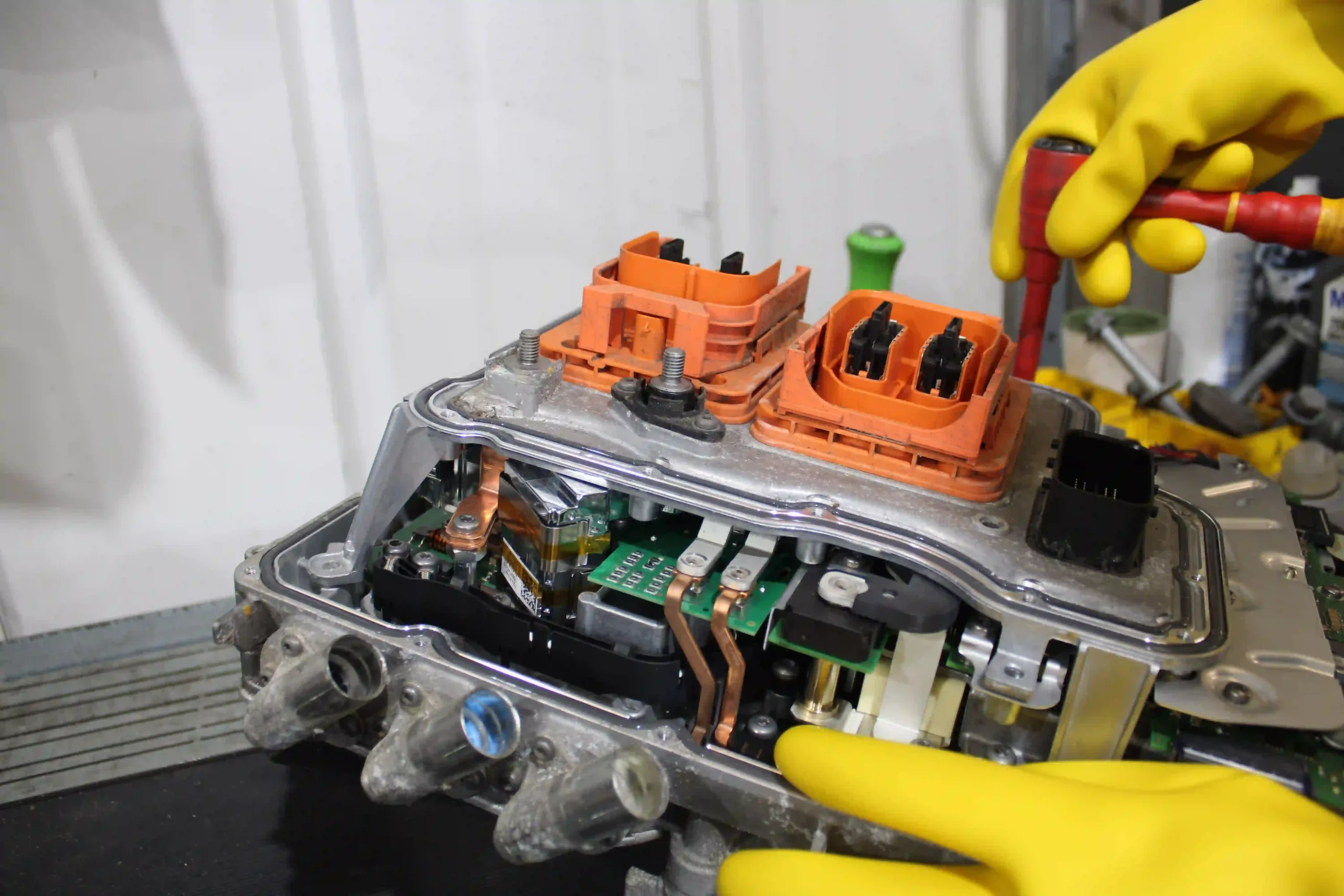
High-Voltage Inverters

DC-DC Converters

On-Board Chargers
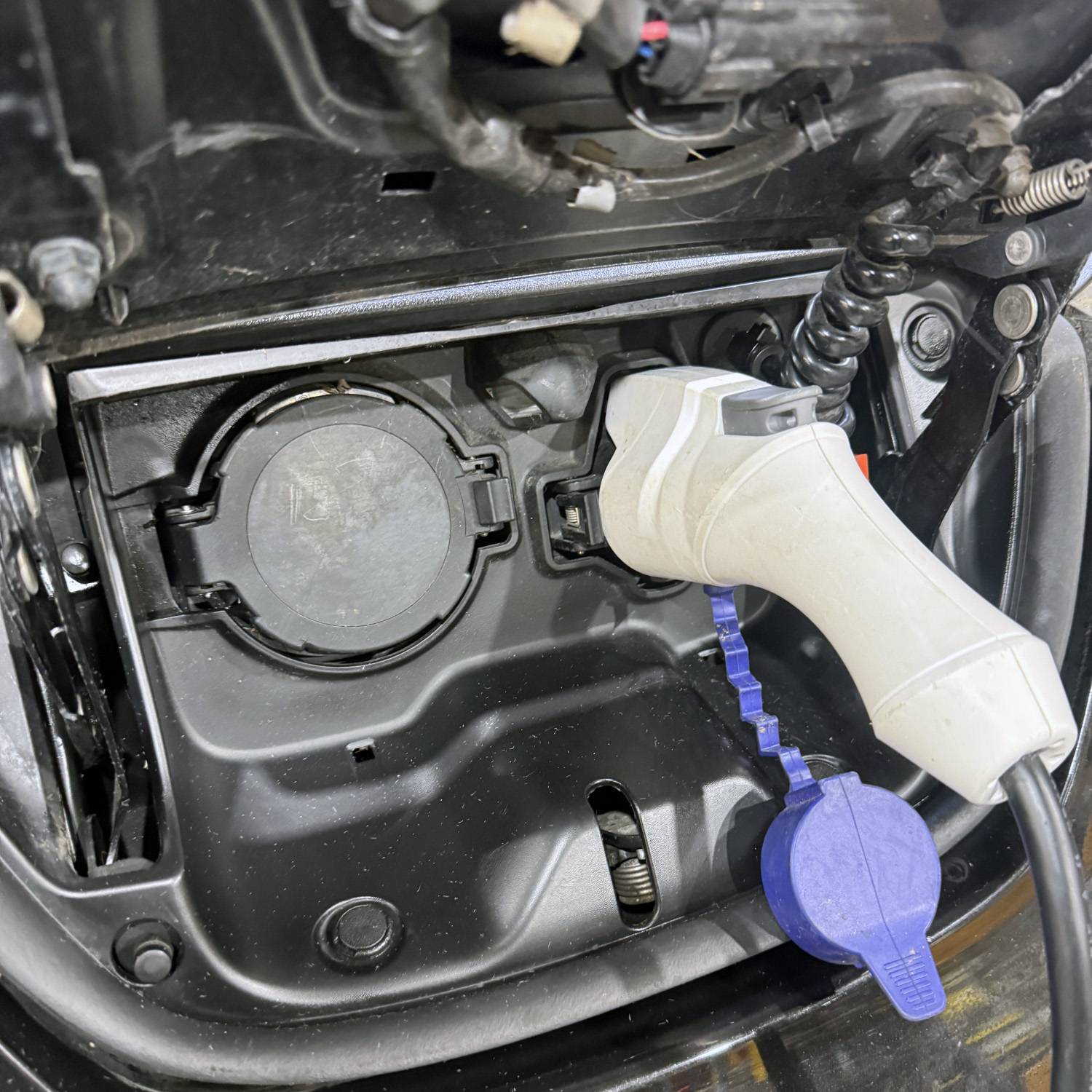
Charging port and charge cable faults (where applicable)
Some “not charging” cases are caused by charge port/cable issues rather than the battery. We can diagnose and advise next steps when symptoms indicate charge port hardware faults or related wiring issues.
All work is backed by a 12-month warranty covering both parts and labour, giving you peace of mind and confidence in the quality of our service.
Very helpful at solving a major fault. Though a big job, itc cost half of what it would have done at main dealer who would have replaced more than needed. Customer service very good.